1980s Classic Cars: Britain, Italy, and Germany Compared
The 1980s produced one of the most interesting periods in classic car history, because the decade sat right on the fault line between analogue purity and the first serious wave of modern performance engineering. Cars still had shape, character, and visible engineering intent, but they were also beginning to gain turbochargers, better chassis tuning, and a more self-conscious sense of style. That tension is what makes the best 1980s classics so compelling, particularly when you compare the British, Italian, and German schools of thought.
What follows is not a definitive ranking, because the decade resists that kind of tidy verdict. The better question is what each country was trying to do, and why the results still matter now. In that sense, the 1980s were less about one winner and more about three very different interpretations of what a great driver’s car could be.
British classics
British cars of the 1980s often carried themselves with a particular kind of understated confidence. They rarely felt over-designed. Instead, they tended to lean on proportion, lightness, and the idea that a sports car should feel intimate rather than intimidating. That is part of why the best British classics of the decade still appeal so strongly to people who care about feel over figures.
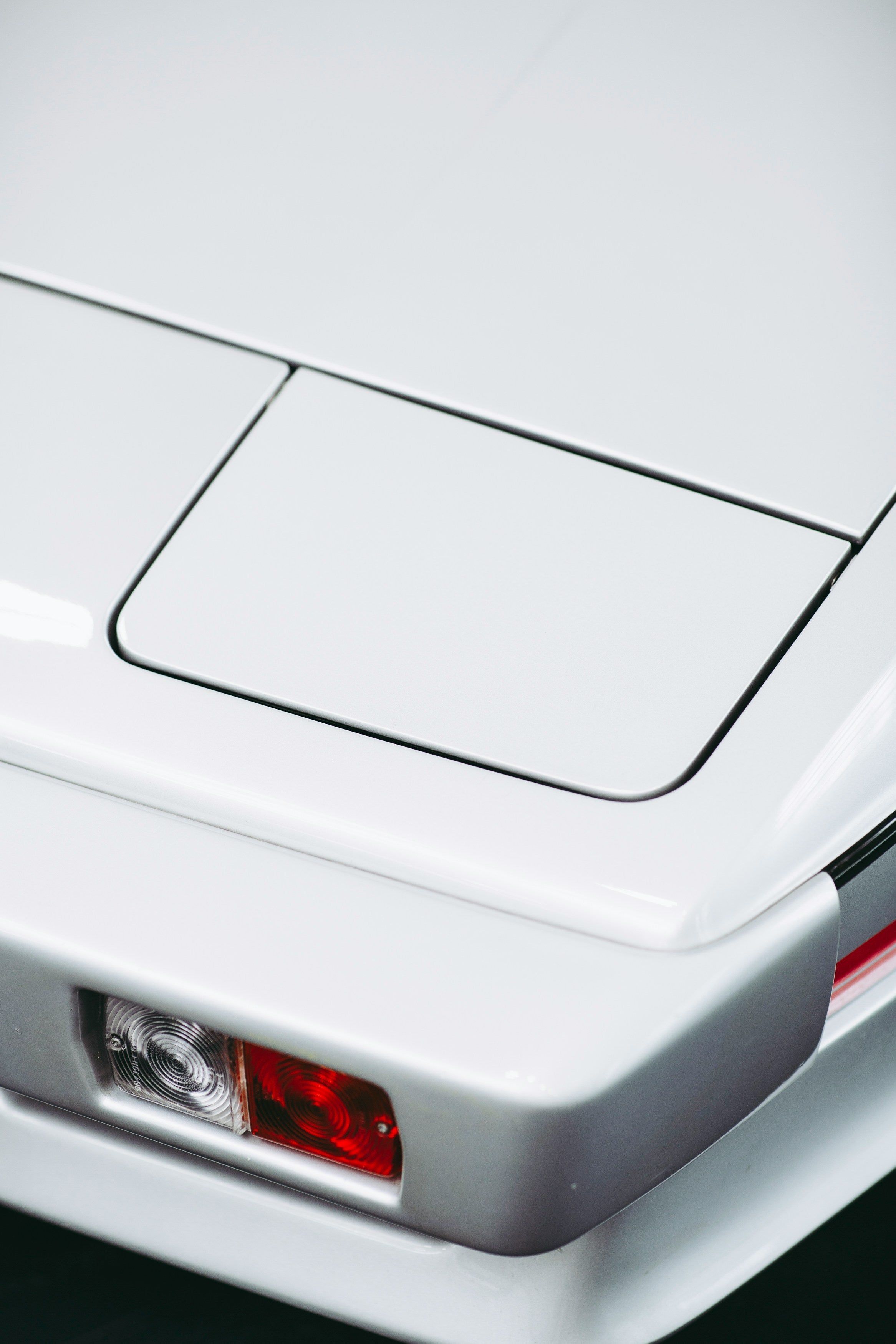
The Lotus Esprit is a perfect example. In the 1980s it became a sharper, more mature expression of Colin Chapman’s philosophy, with angular styling that felt very of the moment and a driving experience that still prioritised lightness and precision. It was not the most polished supercar, but it had an honesty that made it memorable. You sat low, looked over those crisp lines, and felt like the car was working with you rather than merely performing for you.
The Jaguar XJ-S, especially in later V12 form, offers a very different but equally British answer. It was not a lightweight sports car in the Lotus sense. It was a grand touring machine with long-distance ability, a relaxed sense of authority, and a style that became more appreciated with time. If the Lotus was about focus, the Jaguar was about effortlessness. The best British classics often succeed because they do not force one idea too hard. They leave room for the driver to inhabit the car.
Then there is the Ford Sierra RS Cosworth, which, although technically more mainstream in origin, has become one of the great British performance cars of the decade. It brought turbocharged force, motorsport credibility, and that iconic big rear wing, but it still had the kind of shape that made it feel usable and road-going rather than purely exotic. The Cosworth is important because it gave the British scene something muscular and modern without losing the sense that it belonged in the real world.
Italian classics
If British classics of the 1980s were about character, Italian classics were about emotional force. Italy has long understood that cars can be more than transport or engineering exercises; they can be objects of desire. In the 1980s that instinct produced some of the most visually and mechanically seductive classics of the entire decade.
The Lancia Delta Integrale stands as perhaps the most complete expression of that philosophy. It had rally-bred credibility, compact aggression, and a visual presence that was all about purpose. It was not merely attractive in a conventional sense. It was convincing. You looked at it and immediately understood that it belonged to a world of mud, snow, and stage times, even if it spent most of its life on the road. That fusion of road and rally identity is one reason it has become so revered.
The Ferrari Testarossa takes Italian 1980s drama to the other extreme. It is a car that seemed designed to dominate a poster, a boulevard, and a generation’s imagination all at once. The side strakes, low stance, and wide rear track gave it an almost architectural quality. It is easy to dismiss it as style over substance if you only look at the silhouette, but that misses the point. The Testarossa captured a moment when Ferrari wanted to express confidence, width, speed, and excess in one unforgettable shape.
Then there is the Alfa Romeo GTV6, a car that distilled Italian front-engine rear-drive charm into something smaller, more personal, and deeply likable. It may not have the immediate poster power of a Ferrari, but it has all the ingredients enthusiasts love: a willing engine, distinctive styling, and a sense that it was built by people who cared about the emotional quality of movement. That is often the secret of great Italian classics. They are not just attractive; they feel alive.
German classics
German classics of the 1980s are often the easiest to define, because they tend to project competence with very little fuss. Where Italy leaned into drama and Britain into personality, Germany often focused on control. That did not make the cars emotionally thin. It made them feel trustworthy, serious, and engineered with a clear sense of purpose.
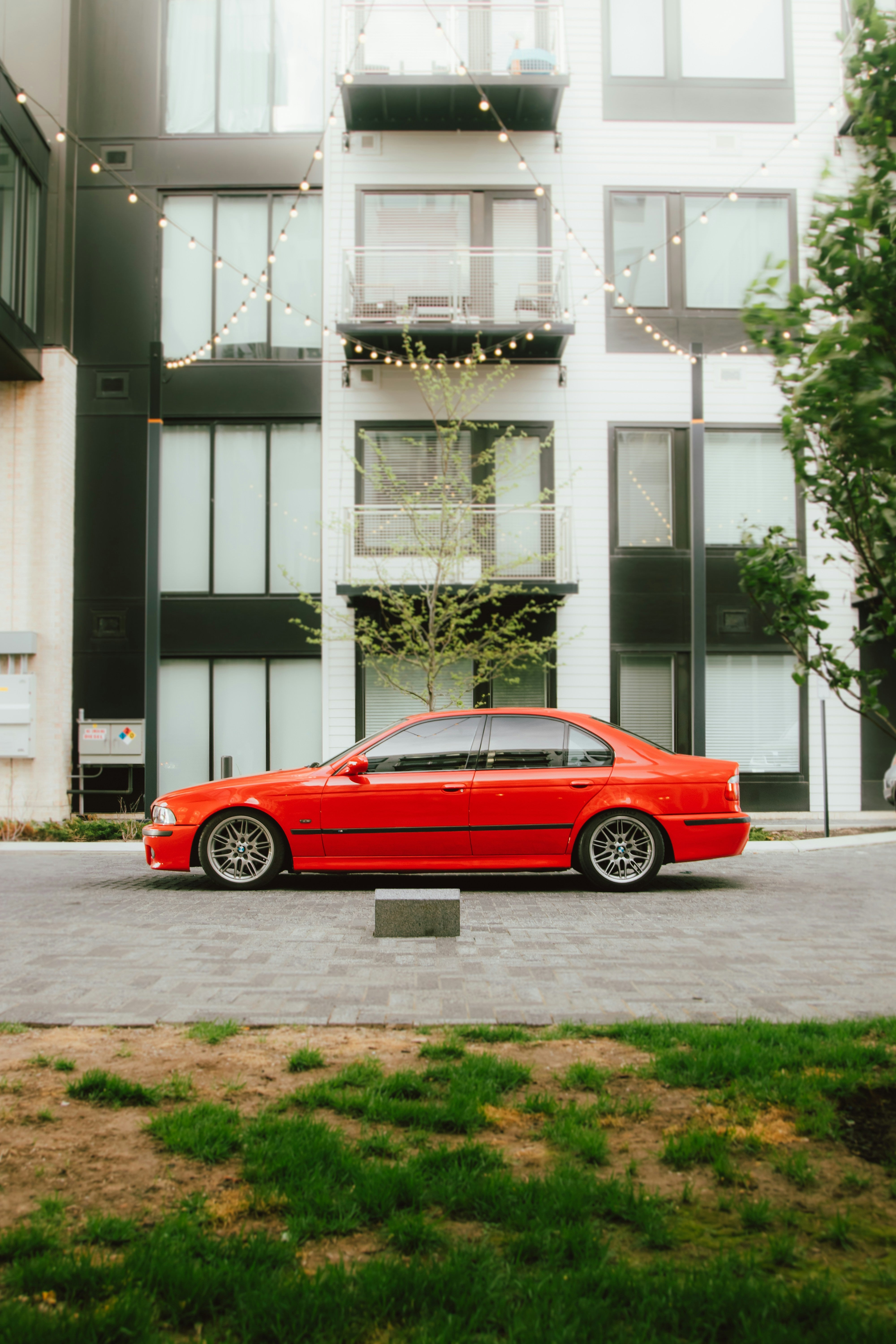
The BMW E30 M3 is the obvious starting point. It is one of the great homologation specials of any era, but it also became much more than that. The box-flared body, upright stance, and racing lineage gave it instant credibility, yet the real genius of the car was that it still felt disciplined and road-usable. It had the precision enthusiasts crave, but it also had enough delicacy to feel special on ordinary roads. That balance is why it remains one of the most admired driver’s cars ever built.
The Mercedes-Benz 190E 2.3-16 offers a different German interpretation. It is less raw than the M3, more restrained in its visual language, and arguably more aligned with the idea of the fast executive saloon. It is a car that rewards appreciation rather than demanding attention. In the 1980s it represented a very particular kind of engineering confidence: high-speed stability, build quality, and a sense that performance should be integrated into the whole car rather than layered on top of it.
Then there is the Porsche 911, which arguably transcends national categories because it has its own internal logic. The 1980s 911, especially in turbocharged form, was still a car with strong personality and real edge. It embodied the German ability to refine an idea without stripping away its essential character. A 911 from the era feels compact, serious, and mechanically meaningful. It is not trying to be easy in the modern sense. It is trying to be right.
What makes the best
The real fascination of the 1980s is that “best” depends on what you value most. If you want the car that feels most alive at low and medium speeds, the Italian answer often wins. If you want the one that seems to balance engineering and character most elegantly, the British cars have a strong case. If you want the most disciplined and complete driver’s machine, Germany frequently takes the argument.
But perhaps the better way to think about it is that the decade produced different kinds of excellence. Some classics seduce from a standstill. Others reveal themselves in motion. Some are admired for shape, others for sound, and others for the almost invisible intelligence in how they drive. The greatest 1980s cars often combine all three, but no single country had a monopoly on the formula.
Take the Delta Integrale, E30 M3, and Lotus Esprit together, and you get three distinct forms of greatness. The Delta is compact aggression with rally DNA. The M3 is engineered intent with racing purity. The Esprit is lightweight drama with unmistakable style. None of them is trying to solve the same problem, yet each is deeply convincing on its own terms.
Why the decade still matters
The 1980s are especially attractive now because they sit in a sweet spot before electronics became fully dominant. These cars are modern enough to use and admire, but old enough to feel tactile. They still communicate through steering, throttle, sound, and chassis movement in a way that newer cars often filter out. That makes them feel emotionally legible.
There is also a cultural reason they endure. The 1980s were visually confident. Cars were shaped with real intent, and often with a willingness to look bold or even slightly strange. That gives the best examples a strong graphic quality. They are easy to recognise, easy to remember, and easy to build a sense of identity around. For a car culture brand, that matters enormously.
British classics gave the decade soul, Italian classics gave it desire, and German classics gave it discipline. The best cars from each country still speak to different kinds of enthusiast, but they also share something deeper: they were made before the automotive world became too cautious. They still believed a car could have a point of view.
Closing thought
The 1980s continue to matter because they represent a moment when cars still felt like expressions of national character as much as corporate strategy. That makes the decade unusually rich for enthusiasts who care about feel, design, and identity.
A great British car might charm you. A great Italian car might move you. A great German car might convince you. The best 1980s classics often manage all three in different measures, which is why the argument around them never really gets old.